Destination Internet Guides
2GB/180-Day $19.99 SIM | Backup Connectivity for Hurricanes, Blizzards, and Other Natural Disasters
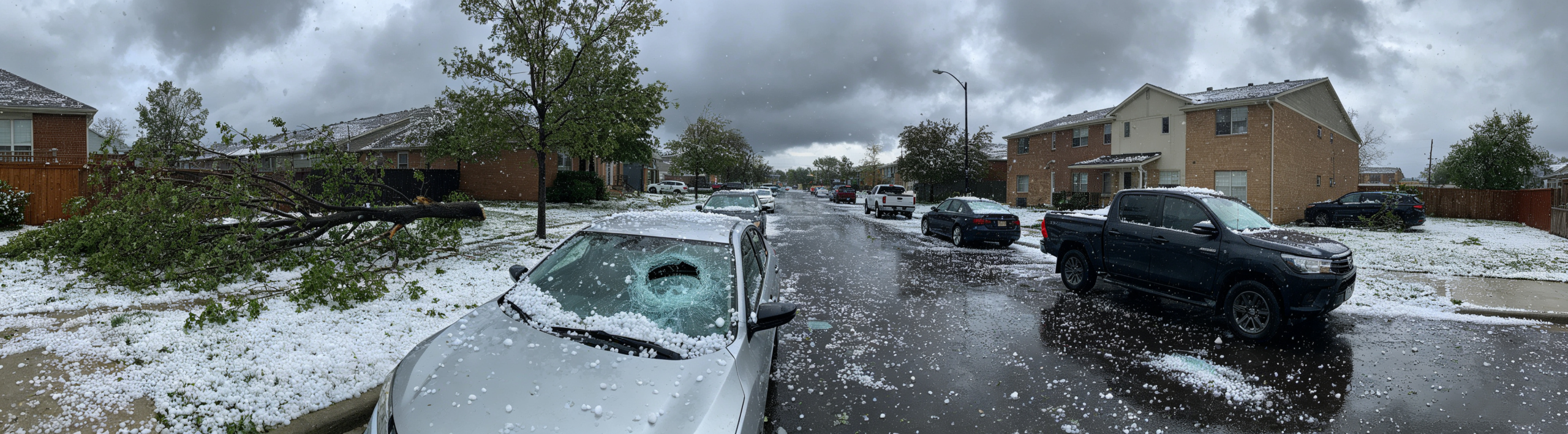
For households in parts of the U.S. that are prone to hurricanes, blizzards, and other natural disasters, a 2GB/180day SIM Card is better suited as a backup mobile data option than as a primary everyday data plan. Its main advantage isn’t the amount of data. It’s the combination of a 180-day service period and a low cost that makes it practical to keep on hand for emergencies.
One important detail up front: this is a data-only SIM card. It does not include traditional voice calling or SMS texting. It is designed primarily for using mobile data to access weather alerts, maps, shelter information, and road conditions. It can also be used with internet messaging apps such as WhatsApp, Signal, or Messenger to stay in touch with family, but those are mobile-data services and are not the same as carrier-provided phone calls or SMS.
Under the light-use emergency scenario used in this test, total data usage over the 180-day storage period, including occasional connectivity checks, weather alerts, shelter searches, road information, internet messaging, location sharing, and a small number of photo uploads, came to about 370MB. Based on that test setup, the 2GB allowance leaves a substantial amount of headroom for this type of emergency use.
1. Why Do U.S. Households Need Backup Connectivity?
When a hurricane or blizzard hits, communication problems are not always as simple as losing cell service. A power outage can knock out the home router, while fiber or cable internet may also go down because of line damage or other service interruptions. At the same time, large numbers of people may be checking weather, road, and shelter information at once, putting additional pressure on cellular networks.
That means a household can have an active primary phone plan and still lose reliable home internet at the exact moment it matters most. For disaster preparedness, the goal of a backup connection isn’t to keep streaming entertainment. It’s to make sure there is still a way to get critical information when the primary connection goes down.
Weather alerts, road closures, shelter locations, power restoration updates, and checking in with family are all typical emergency data tasks. For those needs, a backup mobile data line that can sit unused for long periods and only be used when necessary fits naturally into a disaster-preparedness setup.
2. The Logic Behind the 2GB/180-Day $19.99 SIM
The core of this plan comes down to three numbers: 2GB, 180 days, and $19.99.The 2GB allowance is designed for lighter emergency data use. It isn’t meant for hours of video streaming, live streaming, or large downloads. The idea is to reserve the available data for weather alerts, maps, road information, shelter searches, and internet messaging when those services are actually needed.
The 180-day service period makes it more practical for long-term preparation. Compared with short-term prepaid plans that require more frequent renewals, a six-month term fits better with the way many households prepare seasonal emergency supplies. You can prepare it in advance, keep it available, and use it when a real emergency comes up.The $19.99 price also keeps the cost of maintaining a backup line relatively low. For households that already have a primary phone plan, this isn’t about replacing everyday service. It’s about adding another layer of connectivity without taking on the cost of another full-time mobile plan.
The real value, then, isn’t that “2GB is a lot.” It’s that the combination of 2GB, 180 days, and a relatively low price creates a practical option for long-term emergency storage.
3. What Kind of Household Is This Best For?
A 180-day SIM makes the most sense for households that already have a primary phone plan but want a separate backup mobile data option. For people living in hurricane-prone areas or regions that regularly deal with winter blizzards, adding a spare phone and backup SIM to the emergency kit can create another layer of communications redundancy.The simplest setup is to install the SIM in an unused but working smartphone and store it together with a power bank and a waterproof case or bag. The phone does not need to be used as a primary device. It only needs to be checked occasionally to make sure the service is still working.
Because this is a data-only SIM, it is also important to set up any internet messaging apps in advance. If you plan to use WhatsApp, Signal, or Messenger to check in with family, set up the accounts and apps ahead of time and make sure they work properly over mobile data.On the other hand, if your main need is traditional voice calling, SMS texting, or heavy everyday mobile data use, a data-only SIM is not the right fit.
4. 180-Day Storage Test: Is 2GB Enough for Emergency Use?
The figures below are based on a specific device, usage pattern, and light emergency scenario. Actual data usage can vary depending on the phone, apps, websites, and background activity.During the 180-day storage period, the backup phone was kept in a low-power state, with unnecessary background syncing and automatic updates turned off as much as possible. Based on the test, storage-period usage plus monthly connectivity checks came to about 70MB.
During the simulated disaster period, the main tasks were checking weather alerts, shelter information, and road conditions. Using an estimated 12MB per full search cycle, checking three times a day for five days would use about 180MB.Family check-ins were handled through internet messaging apps. Text-only messages use very little data, but when a location screenshot is included, the test model used roughly 4MB per message. Sending two such messages per day for five days would total about 40MB.For a small number of on-site photos, the model used approximately 8MB per compressed photo. Uploading 10 photos would use about 80MB.
That gives a total of:70MB + 180MB + 40MB + 80MB = 370MB
Using 2GB = 2,048MB, that leaves a theoretical 1,678MB, or about 1.68GB, remaining.In other words, for light emergency tasks such as weather alerts, maps, road information, internet messaging, location sharing, and a limited number of photo uploads, the 2GB allowance leaves a fairly comfortable margin under this test model.That does not mean 2GB will cover every kind of emergency use. Video calls, video streaming, high-resolution photo uploads, and sharing the hotspot with multiple devices can use data much more quickly. This SIM is better viewed as an emergency data budget than as an everyday entertainment plan.
5. What Really Matters for Connectivity During a Natural Disaster?
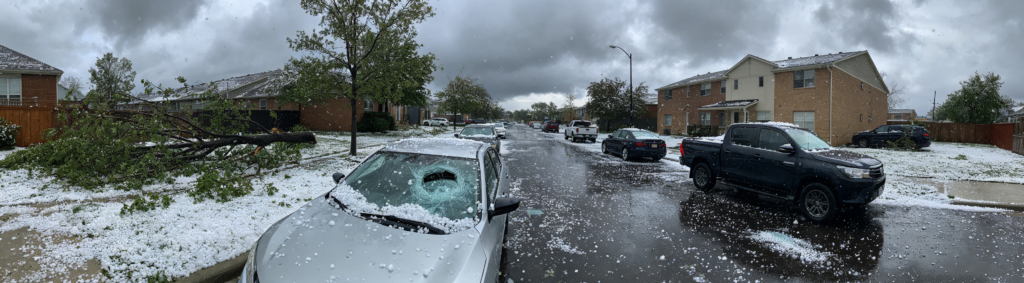
For a 2GB/180-day $19.99 SIM, the biggest factor is whether the local cellular network is still operating.If the home internet goes down because of a power outage or line problem, but nearby cell sites are still working, backup mobile data can continue to provide access to weather alerts, maps, shelter information, and road conditions. It can also support internet messaging apps for checking in with family.
If the cellular network is under heavy load, websites and maps may take longer to load, and image loading may be slower. The light mobile-data tasks used in this test were still possible, but that does not mean a particular SIM will automatically receive higher network priority during congestion. Actual performance depends on the carrier, signal quality, cell-site load, and the terms of the specific plan.
If local cell sites are already without power, physically damaged, or disconnected from the rest of the network, a standard cellular SIM cannot solve that problem. In other words, this type of SIM is designed for situations where home internet is down but cellular service is still available. If the cellular infrastructure itself fails, a different technology, such as satellite communications, is needed.
6. How Should You Use the 2GB Allowance?
One of the biggest advantages of keeping an emergency SIM is being able to save the data for situations where it really matters.During long-term storage, it makes sense to turn off automatic app updates, photo backup, and other unnecessary background data activity on the backup phone. That helps prevent the available data from being used up before an emergency happens.
Once a disaster actually occurs, the priority should be official weather alerts, road information, shelter updates, and internet messaging with family. Photos can be compressed when possible, while unnecessary video and other high-data content should generally be avoided.
7. How to Add the SIM to a Household Emergency Kit
A simple setup is a backup phone with the 2GB/180-day SIM, along with a power bank and waterproof storage.You do not need to buy a new phone just for this purpose. A working spare smartphone can handle the job. Because the SIM does not include traditional voice or SMS, anyone planning to use an internet messaging app should make sure the account is already set up and the app can connect over mobile data.
Once configured, the SIM and backup phone can be stored with the rest of the household emergency supplies. There is no need to use them frequently. An occasional mobile-data check is enough to make sure the phone can still connect when needed.That way, if a disaster does happen, you don’t have to scramble to buy extra data or configure a device at the last minute.
8. What Should You Check Before Buying?
When buying a 2GB/180day SIM Card, don’t look only at the $19.99 price, 2GB allowance, and 180-day term. It is also important to check the actual coverage area, which cellular network the service uses, how activation works, and when the 180-day validity period begins.You should also confirm whether there is automatic renewal, whether hotspot use is allowed, and whether the phone or other device you plan to use is compatible.
Because this is a data-only SIM, make sure voice calling and SMS are clearly excluded from the plan. If you plan to use WhatsApp, Signal, or another internet messaging app, confirm in advance that the app works properly over the mobile data connection.For the final purchase decision, always refer to the product’s current official page and service terms.
9. Final Takeaway
The 2GB/180-day $19.99 SIM is essentially a low-cost way for households that already have a primary phone and home internet to keep an additional mobile data connection in reserve.
Under the test model used here, total data usage across the 180-day storage period and the simulated emergency activities was about 370MB, well below the 2GB allowance. For lightweight tasks such as weather alerts, maps, road information, internet messaging, location sharing, and a small number of photos, the available data was more than sufficient within this test scenario.
The practical setup is straightforward: keep the SIM in a spare phone, store it with a power bank and other emergency supplies, and check it occasionally. Just keep in mind that it is a data-only SIM, does not include traditional voice or SMS, and still depends on the local cellular network. It is not a replacement for a backup phone plan or satellite communications when cellular infrastructure is completely unavailable.
If you are putting together a household emergency kit for hurricane season or winter storms in the U.S., check the current $19.99 price, 180-day validity period, 2GB data allowance, coverage, activation rules, renewal policy, hotspot policy, device compatibility, and whether voice and SMS are explicitly excluded. When those terms match your needs, the 2GB/180-day $19.99 SIM can serve as a practical layer of backup mobile data for natural-disaster preparedness.