eSIM Basics & Setup
Stay Connected: A Full Comparison of International Roaming, Physical SIM Cards & eSIMs
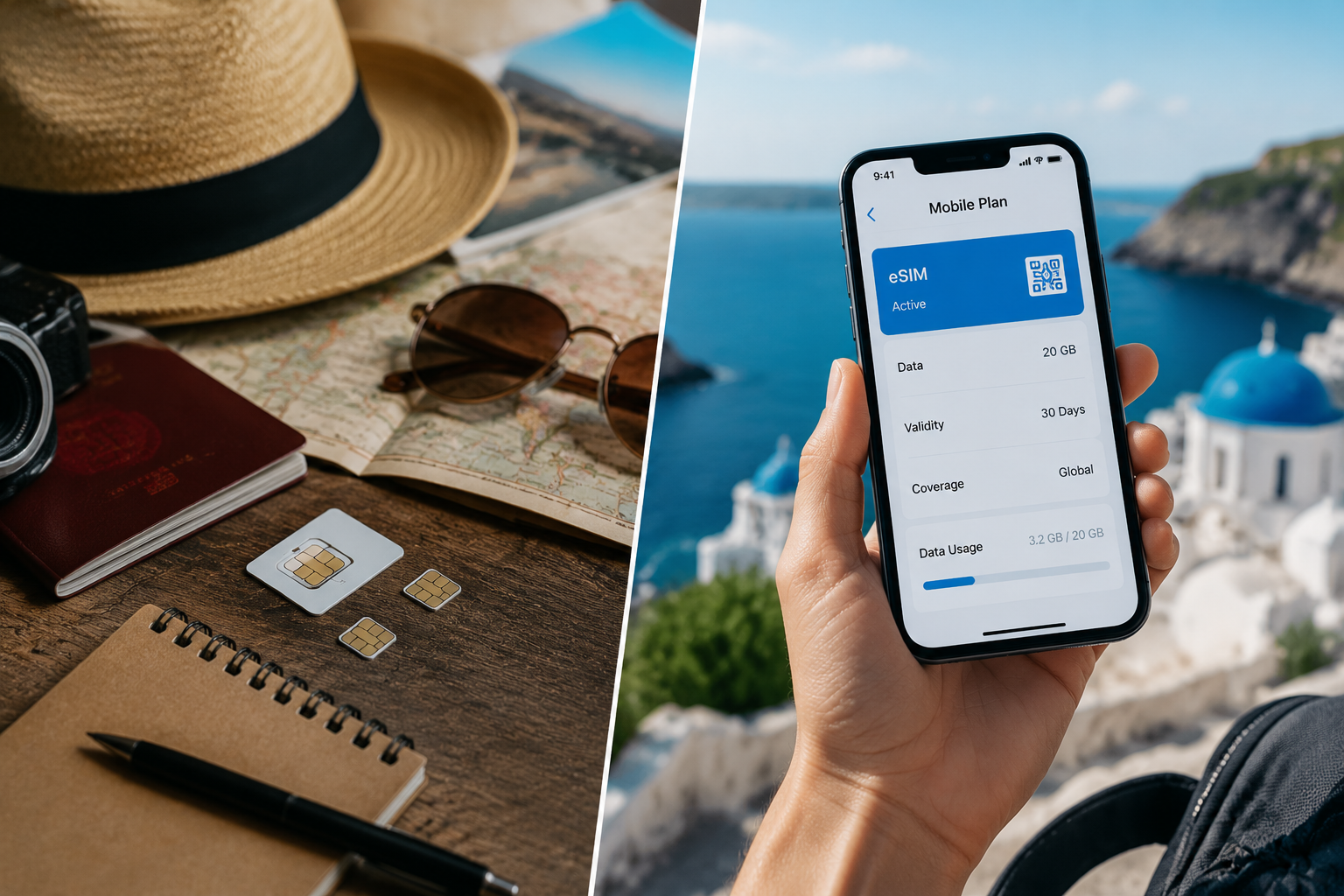
When preparing for an overseas trip, many travellers face one common dilemma: how to secure reliable cellular‑data access abroad. Broadly speaking, you have two core connectivity categories to choose from: conventional physical SIM cards and eSIM profiles.
Within physical‑SIM solutions, you will find home‑carrier daily international‑roaming bundles, multi‑country physical SIM cards, and destination‑specific local physical SIM cards. eSIM serves as a flexible digital‑first alternative. Each option comes with distinct strengths and limitations. Picking a solution aligned with your travel itinerary can drastically reduce network‑related headaches throughout your trip.
This guide breaks down the features and ideal‑use‑case scenarios for physical SIM and eSIM solutions, alongside little‑known shopping tips. You may explore our full lineup of international travel‑focused data plans at Worldwide Travel eSIM Packages.
1. What is Data Roaming?
Roaming kicks in when your handset travels outside your home carrier’s coverage footprint and registers on overseas partner telecom networks. Operating over foreign network infrastructure triggers adjusted billing rates, which are frequently higher than domestic plan pricing.
In earlier times, roaming fees were calculated separately for every call minute, SMS message, and megabyte of data consumed, and this could add up to substantial unexpected expenses. Today, many telecom operators offer daily roaming bundles with fixed call quotas and data allotments that travellers can enable before departure.
Limited competition between network providers means long‑term roaming use may incur unplanned costs in the absence of promotional packages. That said, daily roaming bundles can suit the following travel scenarios:
If you plan to depend on home‑carrier roaming, contact your provider ahead of time to go over bundle specifics. This helps you confirm included services and decide whether you need a local SIM or eSIM to top‑up your overseas data connectivity.s overseas.
- Short‑duration trips where you only need occasional calls and SMS, plus very light cellular‑data consumption
- Your home carrier already includes complimentary international data, call minutes or other travel‑related perks within your existing plan
- You keep domestic roaming active on your home line while using a conventional physical SIM or eSIM as your main data sourceline
2. What Are International SIM Cards?
Multi‑country conventional physical SIM cards work with telecom networks across various destinations. They deliver overseas cellular‑data access, voice calling and SMS messaging. These cards address several drawbacks of basic home‑carrier roaming and single‑country local SIMs: they provide unified coverage across multiple territories, feature plan documentation in one consistent language, and let users check and manage their data allotments online.
That said, these offerings are built mainly for long‑term expats and frequent cross‑border professionals, including maritime staff and airline crews. International multi‑country SIM cards may suit your requirements if your travel aligns with any of the scenarios below:
- Your overseas stay extends beyond one month
- Your itinerary covers multiple distinct countries or regions
- You need steady, sizeable data volumes to keep in touch with family and friends
3. Are Local Physical SIM Cards Worth Purchasing?
Local conventional physical SIM cards are purchased. They remain one of the most popular solutions for overseas cellular‑data access and grant quick connection to local cellular networks.
Local physical SIM cards bring multiple practical perks for travellers:
- You get a local phone number, which lets you receive regional platform verification codes and place calls to local businesses and services
- No long‑term service contracts are needed, with flexible plans covering various validity durations
- This well‑established connectivity solution works reliably with nearly all standard handsets
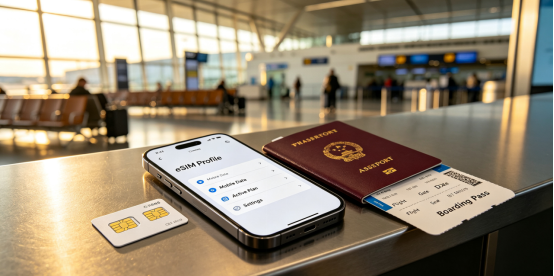
4. eSIMs: A Flexible All-Round Connectivity Option
An eSIM is a digital‑only SIM profile. Once you buy a prepaid data plan online, you scan the supplied QR code to activate cellular‑data access. Important note: your handset must be carrier‑unlocked and feature native eSIM support. No physical card swapping is necessary, and a single smartphone can store multiple regional eSIM profiles. You can pick single‑country, multi‑region or global‑coverage eSIM offerings according to your travel itinerary.
eSIM delivers a host of tangible benefits for travellers:
- YComplete purchases and pre‑load eSIM profiles remotely before departing your home country
- Fully transparent plan pricing with zero hidden roaming surcharges
- Service coverage spanning over 200 countries and territories worldwide
- Switch between regional data plans in just a few taps — no physical‑SIM removal required
- Dual‑SIM‑capable handsets can run an eSIM alongside your domestic conventional physical SIM. This lets you receive local verification SMS while enjoying overseas cellular‑data access
Conclusion
Travellers get to pick from various cellular‑connectivity solutions for overseas journeys, and consistent internet access can significantly elevate your overall travel experience.
If you determine that eSIM fits your travel requirements, feel free to explore our full catalog of travel‑focused data plans at Worldwide Travel eSIM Packages.
Should you run into hurdles with activation, sluggish connection speeds or hotspot failures, head over to our dedicated eSIM Installation & Help center for step‑by‑step guidance.